Becoming a qualified stringer entails a timeline that varies depending on here several elements. Generally, expect a minimum of around 6-12 months for completion. The initial period often features researching the required training programs, which can take 1-3 weeks. Then, the actual instruction itself often spans 2-6 periods, incorporating both classroom learning and hands-on experience. Once this, a required exam has to be achieved, which may add another 2-4 weeks depending on timing. Finally, the application for certification itself may take approximately 1-3 periods for processing. Keep in remember that these are estimates, and individual situations will affect the total duration.
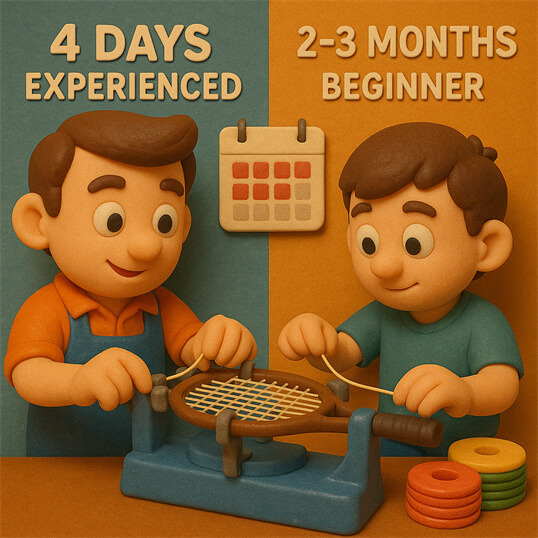
Certified Stringer: What's the Training Time Commitment?
Becoming a trained grip demands a significant commitment. The typical period of training can vary considerably, but generally, expect to allocate anywhere from a few weeks to over six months. This includes both theoretical instruction, which can take around 20-40 sessions , and, critically, practical experience on film sets . The greater experience you acquire , the faster you'll be eligible for beginner positions, but a complete understanding requires a extended learning journey .
Moving From Rookie to Certified Specialist: Achievable Schedules
Evolving into a proficient stringer isn't a fast process. Concerning a utter beginner, attaining basic racket stringing competency – enough to properly string racquets for acquaintances – could take approximately 20-40 hours of focused practice. Afterward , obtaining a formal certification, like those from the PTR , usually requires an additional 40-80 sessions encompassing more complex techniques and completing a hands-on exam. Ultimately , anticipate that establishing a reputation and transitioning into a go-to stringing expert might take several 6-12 years of steady work and persistent learning.
The Path to Stringing Certification: How Long Will It Really Take?
Embarking on the road to becoming a certified stringer can feel overwhelming , but understanding the schedule is key. Generally, achieving stringing credentials involves a combination of training and practical practice . Most reputable programs offer courses lasting anywhere from seven days to several periods, depending on the scope of the curriculum. However, the overall time commitment isn't just about the class itself; you’ll also need to factor in practice time – often a minimum of 200 rackets – to truly master the craft . Therefore, realistically, expect the entire endeavor to take anywhere from twelve weeks , or even longer if you’re balancing it with a career .
Stringing Certification Timeline: Factors That Affect the Duration
The duration of your stringing program can vary considerably, influenced by several elements . Primarily, the selected training plays a major role; fast-track courses might require as little as three days, while comprehensive programs, featuring hands-on practice , could span anywhere from three weeks to several months. Also, existing racquet tennis knowledge can shorten the necessary time, while those completely inexperienced to the technique will potentially need more instruction. Finally, individual study rate and time for rehearsal will also influence the overall concluding schedule.
Becoming a Certified Stringer: Time, Practice, and Dedication
Achieving accreditation as a licensed stringer requires a considerable investment of resources. Regular rehearsal is absolutely crucial, demanding periods spent perfecting your abilities. True dedication is imperative to conquer the obstacles and understand the complexities of the procedure . Don't assume instant results; building expertise takes durations of concentrated work and a willingness to acquire from feedback .